This Ultimate Guide to Child-Friendly Bandages


When young children encounter scrapes and cuts, the immediate response is usually to rush to the rescue with a bandage. However bandages vary greatly, particularly kids. The appropriate bandage can offer more than just protection; it can convert sadness into joy and support children feel safe and loved during small injuries. In this guide, we'll explore a variety of innovative and fun bandage options that not only cater to their tender skin but also capture their interest.
From bright characters to fun patterns, custom youth-oriented bandages can greatly improve the wound care experience. Knowing the materials, safety guidelines, and special attributes of these bandages enables parents to select appropriately. Whether it’s at the playground, the beach, or even around the house, knowing how to effectively treat and protect your child's small injuries can make all the difference. Accompany us as we dive into the realm of bandaging for children and uncover how to ensure those smiles stay bright, even when life's little mishaps occur.
Innovative Personalized Children's Bandages
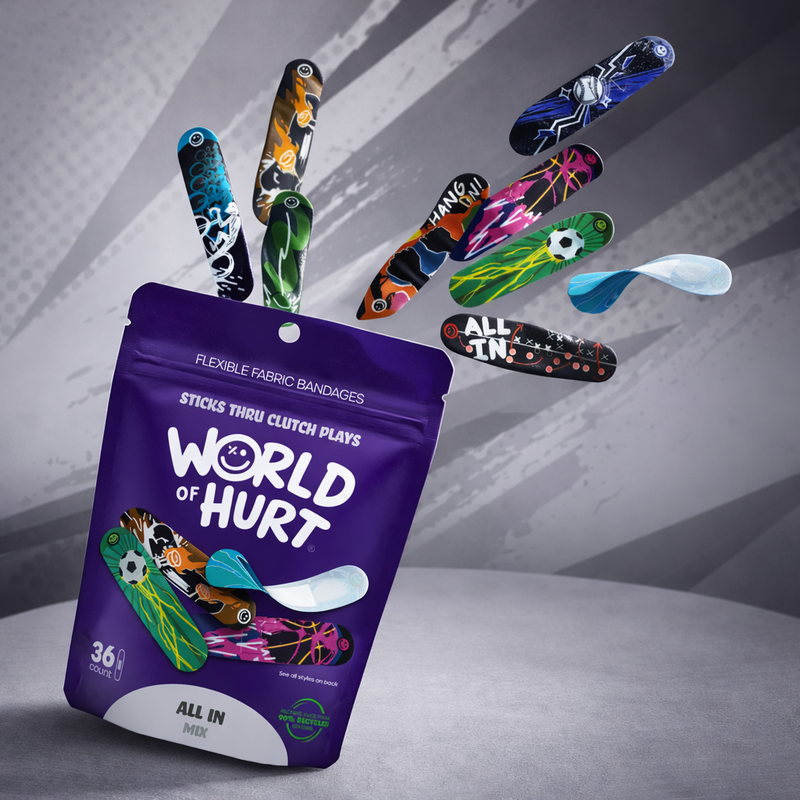
Personalized children's bandages are an fantastic way to transform tears into smiles, taking the sting out of a minor injury with a dash of creativity. These bandages are available in a variety of colors, characters, and fun designs that can quickly engage a child's interest. From comic characters to royals, the options are infinite, making it simpler for parents to entertain their little ones during instances of discomfort. When children see their favorite characters on a bandage, it can convert a hurtful experience into a playful one.
One of the most engaging aspects of custom bandages is their ability to spark joy and laughter in difficult moments. Designs featuring bright patterns or animated themes can create a story around their injury, allowing children to feel brave and one-of-a-kind. This engagement not only helps the child handle with their discomfort but also fosters a sense of responsibility over their healing process. Parents can even include their kids in picking their favorite designs, which adds to the excitement and makes bandage application a enjoyable ritual.
Additionally, personalized bandages can support good hygiene and wound care practices. By making the process fun, children are more likely to understand the importance of maintaining their cuts and scrapes clean. When children take joy in their fun and colorful bandages, they are less inclined to pick at their wounds. This favorable association encourages healing while reducing the likelihood of inflammations. Ultimately, tailored kids' bandages serve as both a tool for injury care and a source of relaxation, promoting a more effective approach to minor injuries.
Choosing the Right Bandage
When choosing a bandage for kids, it is essential to consider the child's age, sensitivity, and level of activity. For toddlers and younger children with delicate skin, hypoallergenic options are often the most suitable choice. These bandages minimize the likelihood of skin irritation and allergic reactions, making sure that kids stay cozy while healing. Additionally, take into consideration their activity level; active kids may gain from stretchy fabric bandages that can adapt with them and stay put during play.
Another important factor is the material of the bandage. For delicate skin, choose ventilated materials that help prevent moisture accumulation and skin maceration, which can lead to further irritation. If your child is prone to injuries while swimming or playing at the beach, waterproof bandages are designed to resist water exposure, providing a protective barrier against germs while allowing children to have fun their time in and out of the water.
In conclusion, colorful and themed bandages can have a considerable psychological impact on children. Bandages showing their favorite characters or eye-catching designs can turn a painful experience into a fun one, inspiring kids to overlook their minor injuries. This aspect not only helps in healing but also makes the whole procedure of tending to wounds less stressful for both the child and the parent.
Crucial Wound Care Advice for Caregivers
When it comes to managing small injuries, being calm and collected is key. Younger ones often pick up on their guardians’ emotions, so your reassurance can assist ease their fears. Make More Info to have a comprehensive first-aid kit at hand, including items like plasters, antiseptic wipes, and uncontaminated gauze. Familiarize yourself with these supplies so that you can locate what you want quickly in an emergency.
Teaching children about basic wound care is also essential. Use clear language and describe the process without creating anxiety. Show them the various bandages and encourage them to select their beloved designs. This can help convert a scary situation into a playful one, making them more eager to comply when you must treat their wounds.
Finally, make it a habit to regularly check for any signs of infection, such as greater redness, swelling, or pus. Being alert about proper wound care can help prevent minor cuts and scrapes from evolving into serious issues. Keep in mind good communication and education about first aid can enable both you and your child to address injuries with self-assurance.